The Importance of Becoming Aware of Our States and Emotions
In the first years of life, we are like sponges, absorbing every experience and learning constantly. This formative period is crucial for our later development, because the behaviors and reactions we learn gradually become automatic mechanisms for dealing with the world around us.
However, as we grow and mature, some of these automatic responses lose their relevance or can become counterproductive. This is where awareness becomes the key to transforming these patterns, helping us navigate more effectively and live more consciously in the adult world.
It is in this awareness that the key to a more authentic and fulfilling life can be found.
This ongoing journey of self-discovery and awareness allows us to free ourselves from the automatisms that limit us and to connect more deeply with ourselves and our experiences.
Awareness vs. Instinctive Reaction
We are often tempted to react to situations and events based on pre-existing thought patterns or similar past experiences. We frequently let ourselves be driven by these automatic reactions, without stopping to truly ask ourselves what we feel and why we feel that way, or whether the context even matches the method we are using.
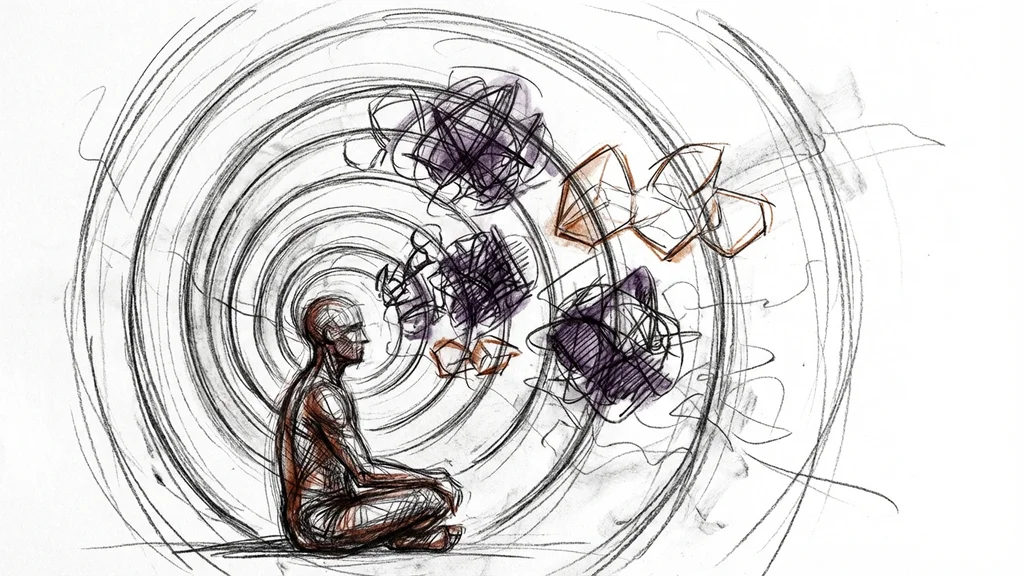
Awareness, on the other hand, offers us the opportunity to create a moment of pause, one that allows us to observe our thoughts, emotions, and inner states without automatically engaging with them.
It is an act of being conscious in the present moment, of connecting with our immediate experience without being influenced by the past (fears) or the future (expectations).
The Importance of Emotional Awareness
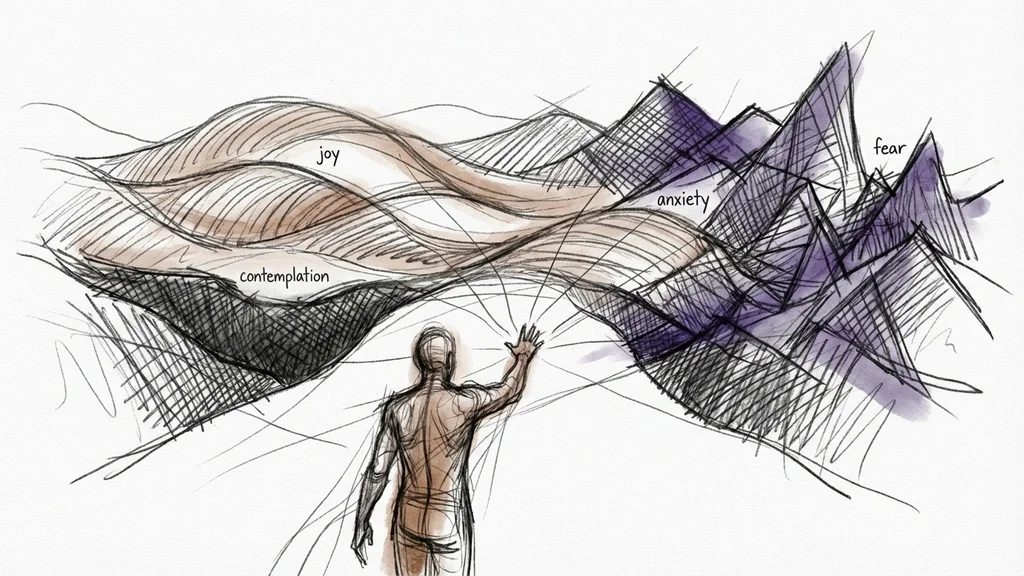
Becoming aware of our emotions is crucial for understanding ourselves better and for managing our lives effectively.
We are often tempted to believe that the intensity of our emotions is greater than it actually is, because we face situations in which we suffer more in our imagination than in reality.
- For example, instead of reacting impulsively out of frustration or anger, we can stop and observe ourselves.
- We can ask whether the impulse we feel right now to react is truly what we want, or whether it is merely a learned and inherited automatism.
- Is the action we are about to take one we are doing consciously, because that is what we intended, or are we on autopilot, reacting the way we have been taught to react until now?
- In those moments, we can ask ourselves whether we are acting as adults or whether we are like metaphorical children, reacting from a place of needing to protect, to defend, or to feel safe.
This approach gives us the possibility of channeling our energy toward constructive solutions and actions, instead of allowing emotions to control our instinctive reactions.
“We suffer more often in imagination than in reality; there are more things likely to frighten us than to crush us.”
— Seneca
Resonance with Psychotherapy
In psychotherapy, awareness of states and emotions plays a central role in the process of self-discovery and personal transformation.
As a psychotherapist, I encourage clients to explore and openly express their inner experiences, offering them a safe and accepting space to reveal their most intimate thoughts and feelings.
During sessions, I support clients in becoming more aware of how their emotions influence their behaviors and perspectives on life. In this way, they can identify and explore the motives and beliefs underlying their behaviors, opening the path toward change and personal growth.
Through this approach, clients learn to take control of their own lives and to develop skills of adaptability and resilience, transforming into more fulfilled and authentic versions of themselves.
Practical Tips for Awareness
- Practice meditation and mindfulness: Dedicate time each day to meditate and practice mindfulness. These techniques can help you center your attention and become more aware of your thoughts and emotions.
- Breathe: It is that simple! Just a few conscious breaths can immediately carry you into the present moment of awareness.
- Keep a journal: Writing in a journal can help you express and more deeply analyze your thoughts and feelings.
- Ask yourself why: When you feel a strong emotion, stop and ask yourself why you feel that way and what triggers that emotion.
- Practice empathy: Try to put yourself in other people’s shoes and understand their perspective. This can help you become more aware of your own emotions and reactions.
In conclusion, becoming aware of our states and emotions is an ongoing process and a skill that requires practice and patience. It is a vital aspect of personal development and of a balanced life.
By slowing down and carefully observing what we feel in each moment, we have the power to free ourselves from our automatisms and move toward choices that are more conscious and more aligned with our values.
In psychotherapy, this ability to be present and to become aware of inner experiences is fundamental to the process of healing and transformation.
I encourage all who are interested to explore and integrate this simple practice into their daily lives, in order to cultivate more clarity, balance, and happiness in every aspect of their existence.
The benefits, in terms of stress management, interpersonal relationships, and emotional well-being, are worth the effort. By cultivating this ability, we can transform our relationship with ourselves and with the world around us, leading to a more conscious and authentic life.