Patience and Relaxation: The Key to a More Balanced Life
In a modern world marked by speed and agitation, patience and relaxation become the essential pillars of a healthy and balanced life. These qualities are not just useful skills, but true arts which, once mastered, can profoundly transform our existence. As a psychotherapist, I want to share the importance of these concepts with you and show you how to integrate them into your daily life for lasting well-being.
Patience means accepting delay and frustration without reacting negatively, and relaxation involves releasing tension and reaching a state of inner calm. Together, they form a powerful combination that can transform moments of stress into opportunities for personal growth and self-discovery.
“Every time we are impatient, we lose a little bit of ourselves. By learning to be patient, we learn to be whole.”
— Thich Nhat Hanh
In this article, we will explore the ways in which we can cultivate patience and relaxation, and I will introduce the course “State Association: Relaxation Mode,” a 3-month journey designed to help you achieve the balance you seek.
Patience and relaxation are two essential concepts for maintaining mental and emotional balance. They are not only skills that can be cultivated, but also foundations of a healthy and harmonious life.
What is patience?
Patience is the ability to tolerate delay, frustration, suffering, or discomfort without reacting negatively. It involves waiting calmly and understanding that things do not always happen instantly. Patience also implies accepting that certain situations are beyond our control and that we must manage them with calm and wisdom.
What is relaxation?
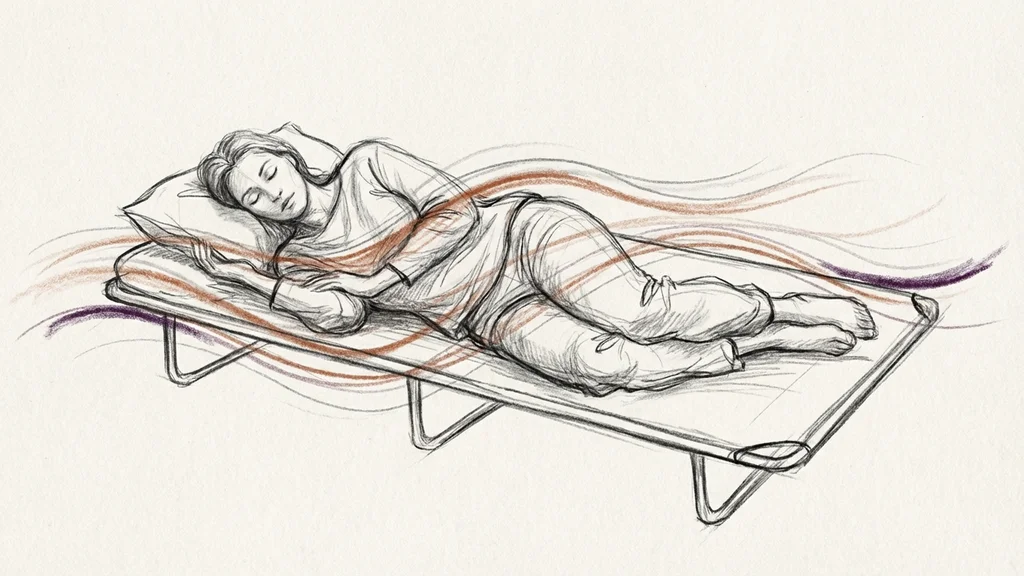
Relaxation is a process of reducing physical and mental tension, reaching a state of calm and inner peace. It can be achieved through various techniques and methods that help release accumulated stress and improve overall well-being. Relaxation is not just the absence of physical activity, but also a mental state of peace and balance.
Why do we lose patience?
There are numerous situations in which we can lose patience:
- Waiting in line at the supermarket or the post office.
- Heavy traffic or delays in public transportation.
- Technical problems with electronic devices or the internet.
- Difficult interactions with colleagues or family members.
In these moments, our patience can be put to the test, and our reactions can range from mild irritation to deep frustration. These states not only affect our psychological well-being but can also have a negative impact on our relationships and physical health.
How can relaxation help?
Relaxation is not just a physical state of rest, but also a mental state of calm and peace. When we face stressful situations, learning to consciously relax can completely transform the way we react. Here are a few simple techniques that can help you stay calm and patient:
- Deep breathing: Deep inhalation and slow exhalation can immediately reduce tension and help with mental clarity.
- Mindfulness meditation: Direct your attention to the present moment without judging, just observing. You can reduce stress and improve patience.
- Guided visualization: Imagining a peaceful and pleasant place can bring instant calm and help restore patience.
State Association: Relaxation Mode
To help you reach and maintain a state of relaxation, I have created a special state association course called “State Association Course: Relaxation Mode.”
This course is designed to teach you advanced relaxation techniques and to help you integrate them into your daily life. Through practical exercises and personalized guidance, you will learn how to transform states of frustration into states of calm and peace.
Over the course of 12 weekly sessions, we will explore fundamental concepts and advanced relaxation techniques. Each module is structured to guide you step by step through the process of state association, combining elements of psychotherapy, muscular relaxation techniques, conscious breathing, and meditation. The program also includes individual sessions for setting goals and providing feedback, ensuring a personalized and effective path for you.
With continuous support through our online group, you will have access to a supportive community where you can share experiences and receive additional guidance. The course is designed to adapt to each person’s needs and to be applicable in any situation, ensuring that the benefits you gain will have a lasting impact on your life.
What you will learn in this course:
- Muscular relaxation, breathing, and meditation techniques for instant relaxation.
- How to use guided visualization and auto-suggestion to reduce stress.
- Self-reflection methods to improve patience and mental clarity.
Course benefits:
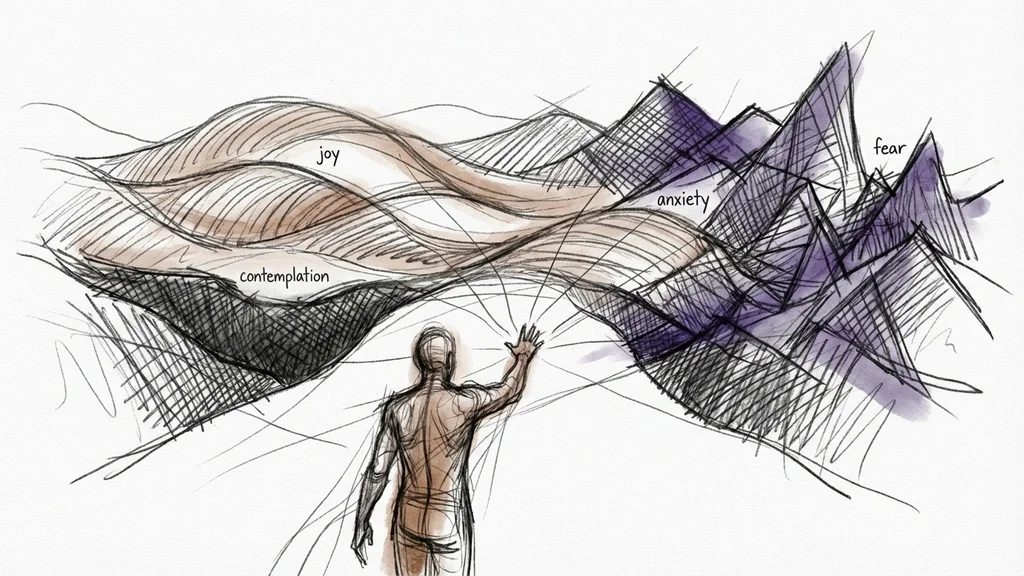
- Reduced stress and anxiety levels.
- Improved ability to cope with stressful situations.
- Increased overall sense of well-being.
Course structure:
- Session 1: Individual psychotherapy session for setting expectations and goals.
- Module 1: Introduction to the concepts and neurological mechanisms involved in the association mechanism.
- Module 2: Muscular relaxation techniques.
- Module 3: Conscious breathing and meditation techniques.
- Module 3.1: Combining muscular relaxation and conscious breathing techniques.
- Module 4: Observing and accepting states.
- Module 5: Identifying and managing negative thoughts.
- Module 5.1: Combining techniques for observing and accepting states with managing negative thoughts.
- Module 6: Accessing the desired state of relaxation.
- Module 7: Cultivating the state of detachment.
- Module 8: Integration and refinement of state association techniques.
- Session 12: Individual psychotherapy session for feedback and integration.
- Each module includes:
- Practical techniques and exercises that are the focal point of each week.
- Continuous support through the online group for sharing experiences and receiving additional guidance.
Practical examples and everyday situations:
Patience and relaxation can be applied in various everyday situations:
- In traffic: Instead of letting frustration overwhelm you, use breathing techniques to maintain your calm.
- At work: Managing conflicts with colleagues through muscular relaxation techniques and observing your states.
- At home: Approaching tense situations with family members by combining meditation techniques and acceptance of states.
- Anywhere: Whether you are shopping, on vacation, or in a social setting, relaxation techniques can help you stay calm and balanced at any moment.
In this course, you will learn how to observe and accept frustration without reacting negatively, thus transforming every challenge into an opportunity to improve your patience and inner calm.
“Patience is the best remedy for every problem.”
— Dalai Lama
I invite you to join this course and discover the power of relaxation and patience. Together we can build a more balanced and harmonious life, not just for ourselves, but also for those around us.
Patience and relaxation are essential elements for a balanced and happy life. By learning and applying relaxation techniques, we can transform moments of frustration into opportunities for growth and self-discovery.
Do not let stress control your life; learn to relax and stay calm in any situation. To begin this transformative journey, I invite you to sign up for our “State Association: Relaxation Mode” course and discover the secrets of a peaceful and patient life.