Shadow Work - Details and Psychological Benefits
In the world of personal development, the concept of “shadow work” has become more widely known in recent years. This deep and introspective process offers the opportunity to explore and integrate hidden aspects of ourselves on our journey toward growth and self-discovery.
“Until we make the unconscious conscious, it will direct our life and we will call it fate.”
— Carl Jung
What Is Shadow Work?
Shadow work, as a concept, has psychological roots, being primarily influenced by the works of the famous Swiss psychologist Carl Jung. Although the term “shadow work” itself is not directly used in Jung’s writings, the idea of exploring and integrating the hidden parts of the self is a central concept in his theory.
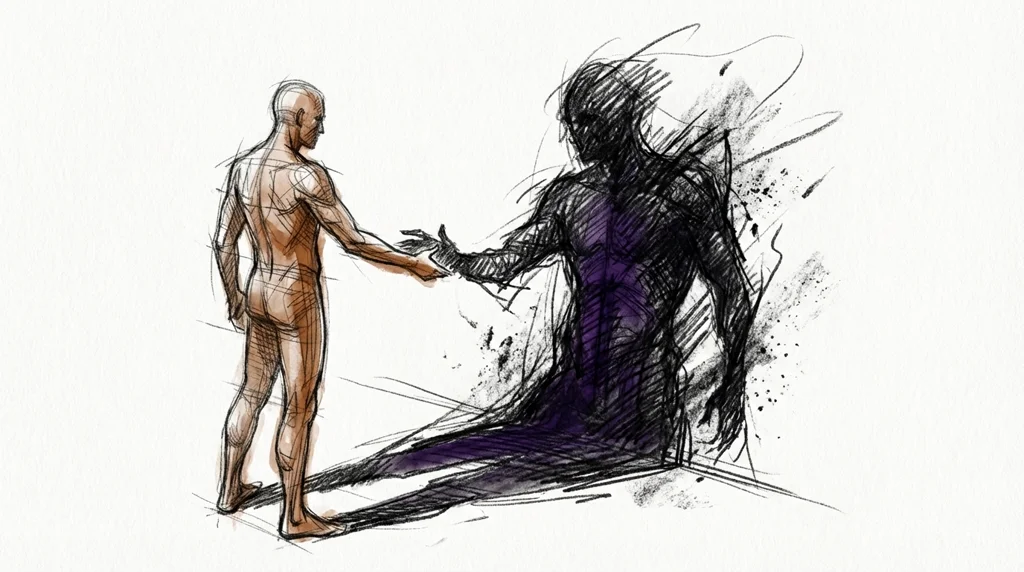
Carl Jung described the shadow as the part of us that contains our darker, more unknown, or neglected aspects, including hidden desires, deep fears, and unresolved traumas. In Jungian theory, the shadow is a natural part of the human psyche and can have a significant impact on our behavior and relationships.
The idea of bringing the shadow into consciousness and working with it in order to integrate ourselves and free ourselves from its negative influence was later developed by various therapists and authors in the field of personal development. For example, Debbie Ford, author of “The Dark Side of the Light Chasers,” popularized the idea of shadow work among the general public, offering practical methods and exercises for working with the shadow.
In addition, research in the fields of psychology and psychiatry has highlighted the importance of becoming aware of and integrating the dark parts of the self in the process of healing and personal growth. Studies on cognitive-behavioral therapy, analytical psychology, and other therapeutic approaches have demonstrated the benefits of exploring and confronting the difficult parts of the self for improving psychological well-being and interpersonal relationships.
Although the concept of shadow work may be more of a spiritual or personal development construct than a strictly psychological one, it is rooted in solid psychological principles and theories and is supported by research and therapeutic practices in the field of psychology.
“Without shadows, we would not know light. Without pain, we would not appreciate joy. Shadow work helps us find the balance between the two and embrace our entire being.”
— Ram Dass
The Stages of Shadow Work:
- Awareness and Acceptance of Shadows:
- The first step in shadow work is to become aware of our shadows and accept them without judgment. This involves recognizing and accepting our less pleasant or difficult aspects.
- Deep Exploration of Motivations and Origins:
- In this stage, we explore the roots of our shadows. The questions we ask ourselves may include: Why do I react this way in certain situations? What traumas or past experiences contributed to the formation of these behavioral patterns?
- Reflection and Integration:
- Through reflection and introspection, we try to better understand the reason and significance of our shadows. Integrating them into our consciousness involves accepting them as an integral part of ourselves and learning how to work with them in a healthy and constructive way.
- Exploration and Implementation of Healing Practices:
- Once we have identified and accepted our shadows, we can explore various healing practices and ways of working with them. These may include psychotherapy, hypnosis, meditation, art therapy, journal writing, and other self-care techniques that help us free ourselves from the burden of our shadows.
The Benefits of Shadow Work:
- Release of Emotional and Psychological Tensions:
- Shadow work offers us the opportunity to release emotional tensions and unresolved traumas, allowing us to live life more fully and authentically.
- Increased Self-Esteem and Self-Acceptance:
- By understanding and accepting our darker aspects, we can develop our self-esteem and self-acceptance, contributing to a healthier relationship with ourselves and with others.
- Improved Interpersonal Relationships:
- Working with our shadows can help us understand ourselves better and manage our emotions, which can lead to improved interpersonal relationships and more effective communication with others.
- A Continuous Journey of Self-Discovery and Personal Growth:
- Shadow work is a continuous and dynamic process that allows us to meet ourselves in new and profound ways. This journey can lead us toward greater self-understanding and personal fulfillment.
How Can You Recognize Someone Who Has Done Shadow Work?
A person who has successfully gone through the process of shadow work may radiate certain characteristics and traits that reflect maturity and authenticity in life. Here are some signs that may indicate someone has been through this deep process of self-discovery and inner healing:
- Empathy and Understanding:
- A person who has done shadow work is often more empathetic and understanding toward others. They recognize their own vulnerabilities and mistakes and are more open to offering support and understanding to others in their time of need.
- Authenticity and Vulnerability:
- Those who have gone through shadow work are more willing to show their vulnerability and authenticity in their relationships. They no longer hide their dark or difficult parts and are more sincere in their expression.
- The Ability to Handle Confrontations and Conflict:
- A person who has done shadow work is more capable of handling confrontations and conflict in a constructive and healthy way. They can approach life’s challenges and difficulties with greater wisdom and patience.
- Respect for One’s Own Authenticity:
- Those who have been through shadow work have a deep respect for their own authenticity and worth. They no longer try to conform to social expectations or hide behind a mask, but live their life in an authentic way.
- Flexibility and Adaptability:
- People who have done shadow work are more flexible and adaptable in the face of life’s changes and challenges. They are more open to new experiences and continuous learning and can navigate various situations with greater grace.
Recognizing these signs can offer a perspective on people who have successfully gone through the process of shadow work and who have reached a higher level of awareness and authenticity in their lives.
Shadow work is a deep and challenging journey, but also a deeply rewarding one. Through exploring and integrating our shadows, we can discover new levels of understanding and authenticity in our lives.